Quick Answer
You can improve your CIBIL Score by paying loan EMIs and credit card bills on time, keeping credit card balances low, avoiding unnecessary loan applications and checking your credit report for errors. Your score reflects your credit history, so consistent repayment behaviour matters more than quick fixes.
There is no guaranteed timeline or fixed number of points by which your score will improve. The result depends on your existing credit history, outstanding balances, repayment records and how lenders report updated information.
Key Facts About Your CIBIL Score
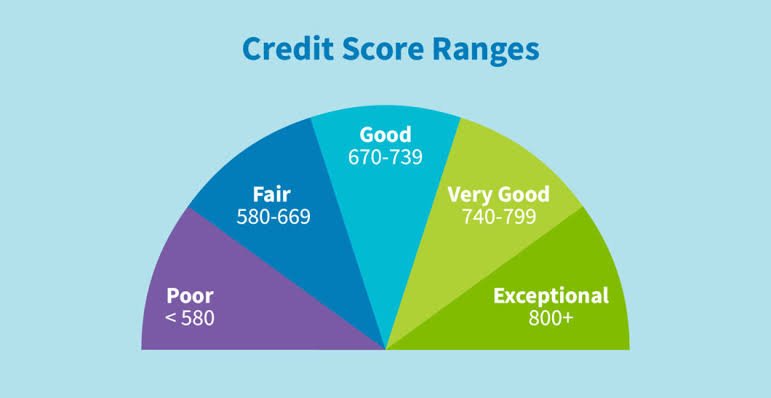
- CIBIL Scores generally range from 300 to 900.
- Payment history is an important factor in credit assessment.
- High credit card utilisation can make you appear more dependent on borrowed money.
- Applying for several loans or credit cards within a short period may affect your credit profile.
- Checking your own credit report is different from making repeated applications for credit.
- Incorrect information can be disputed with the credit bureau.
- A high score can support a loan application, but lenders also assess income, existing debt and other eligibility criteria.
What Is a CIBIL Score?
A CIBIL Score is a three digit number generated by TransUnion CIBIL using information in your credit history. Lenders may use it, along with your credit report and other financial details, when assessing applications for loans and credit cards.
Your credit report contains information such as credit accounts, repayment history, outstanding balances and credit enquiries. A lender may consider this information when deciding whether to approve a loan and what terms to offer.
A higher score generally indicates a stronger credit history, but it does not guarantee loan approval or a lower interest rate. Each lender has its own assessment process and eligibility requirements.
You can learn more through the official CIBIL website.
1. Pay Every EMI and Credit Card Bill on Time
Making payments by their due dates is one of the most useful habits for maintaining a healthy credit profile. Late payments, missed instalments and accounts reported as overdue can negatively affect how lenders assess your credit history.
Follow these practices:
- Set reminders a few days before every due date.
- Use automatic payments where suitable and keep sufficient funds in your account.
- Check whether the payment has been processed successfully.
- Pay at least the required amount by the due date if you cannot pay the full balance.
- Contact your lender promptly if you are unable to meet a payment.
Paying the minimum amount on a credit card may help you meet the minimum payment requirement, but interest can continue to accumulate on the unpaid balance. Pay the full statement balance when possible, subject to the terms of your card.
If you already have overdue payments, focus on bringing your accounts up to date and reducing outstanding balances. Correcting past repayment problems takes time, and a score improvement is not immediate or guaranteed.
2. Keep Your Credit Card Utilisation Low
Credit utilisation refers to the amount of your available credit that you are using. Using a large proportion of your credit limit can signal greater dependence on borrowed money.
For example, suppose your total credit limit is ₹1,00,000 and your outstanding card balance is ₹70,000. Your utilisation is 70%.
| Credit card details | Amount |
|---|---|
| Total credit limit | ₹1,00,000 |
| Outstanding balance | ₹70,000 |
| Credit utilisation | 70% |
If your outstanding balance falls to ₹20,000, your utilisation becomes 20%, assuming the credit limit remains unchanged.
Keeping utilisation low is generally a sensible credit management practice. A commonly used personal finance guideline is to stay below 30%, but this is not a guaranteed CIBIL threshold or an official rule that ensures a particular score.
You can manage utilisation by paying down balances, avoiding unnecessary purchases on credit and spreading planned spending within a budget. Do not take a new loan simply to reduce your utilisation without comparing the total borrowing cost.
3. Avoid Applying for Too Many Loans at Once
Frequent applications for credit within a short period can create multiple hard enquiries on your credit report. Several enquiries may indicate that you are actively seeking more borrowing, which could affect how lenders assess your application.
Before applying for a loan or credit card:
- Check the lender’s eligibility criteria.
- Estimate whether the EMI fits your budget.
- Compare available products before submitting applications.
- Avoid applying to many lenders simply to see which one approves you.
- Review your report to identify enquiries you do not recognise.
Checking your own credit score or report is not the same as making a loan application. You can review your credit information to understand your financial position without applying for new credit each time.
4. Check Your CIBIL Report for Errors
Errors in your credit report can make your credit history appear different from your actual financial behaviour. Incorrect late payments, balances, account ownership details or duplicate accounts should be investigated.
Review the following information:
- Your name and personal details.
- Loan and credit card accounts.
- Outstanding balances and overdue amounts.
- Repayment history.
- Accounts you have already closed.
- Credit enquiries you do not recognise.
If you find incorrect information, raise a dispute with TransUnion CIBIL and contact the lender responsible for the account. CIBIL cannot independently change lender supplied information without the relevant credit institution confirming the correction.
Keep supporting evidence, such as payment receipts, loan closure letters and lender correspondence. Track the dispute until you receive a response.
Start with the official CIBIL consumer support and dispute information.
5. Maintain a Healthy Credit History
A longer history of responsibly managed credit can help lenders understand how you have handled borrowing over time. Consistent repayments and well managed accounts can contribute to a stronger credit profile.
If you already have a credit card or loan that you manage responsibly, do not close an account solely because you believe closure will automatically improve your score. The effect of closing an account depends on your overall credit profile and the information reported.
If you have never borrowed before, you may have a limited credit history rather than a poor one. You do not need to take an unnecessary loan just to create a score. If you genuinely need credit, compare suitable products and borrow only what you can comfortably repay.
6. Avoid Paying Only the Minimum on Credit Cards
The minimum amount due is not the same as the full statement balance. Paying only the minimum can leave a large outstanding balance on which interest and applicable charges may continue to accumulate.
A growing balance can make it harder to reduce credit utilisation and manage future payments.
Consider this example:
| Item | Amount |
|---|---|
| Credit card statement balance | ₹30,000 |
| Amount paid | ₹5,000 |
| Balance remaining before interest and fees | ₹25,000 |
This is a simple illustration. Your actual outstanding balance depends on the card terms, interest, fees and any new transactions.
If you cannot pay the full amount, avoid adding unnecessary new purchases and create a repayment plan. For further guidance, read our article on how to pay off debt faster in India.
7. Manage Existing Debt Before Taking More Credit
Your existing EMIs and credit card obligations affect how much of your income is available for new repayments. Even a strong CIBIL Score may not be enough to secure a loan if your income or repayment capacity does not meet the lender’s criteria.
List all your loans, outstanding balances, interest rates and monthly instalments. Use this information to decide whether you should reduce expensive debt before applying for additional borrowing.
A budget can help you balance debt repayments with household expenses and savings. Read our guide on how to create a monthly budget in India to organise your finances.
Avoid taking new credit simply to pay routine expenses when your current repayments are already difficult to manage. If you are struggling, contact your lender early to discuss the available options.
8. What to Do If You Have a Low CIBIL Score
A low score requires a review of the reasons behind it rather than a quick fix. Check your report to identify whether the main issue is missed payments, high balances, frequent applications, limited credit history or inaccurate information.
Use this practical plan:
- Obtain and review your credit report.
- Identify overdue accounts and incorrect entries.
- Bring overdue payments up to date where possible.
- Reduce high credit card balances.
- Avoid unnecessary applications for new credit.
- Make all future payments on time.
- Check the report periodically to see whether updates have been recorded.
If you have missed payments because of financial difficulty, prioritise essential expenses and speak to your lenders about your options. Do not use unverified services that promise to erase genuine negative information or guarantee a high score.
Accurate negative information cannot simply be removed because you request it. If the information is incorrect, use the formal dispute process.
9. How Long Does It Take to Improve a CIBIL Score?
The time required to see a change varies according to your credit history and the information reported by lenders. Some updates may appear after a reporting cycle, while the effect of earlier missed payments or other negative information can take longer to improve.
CIBIL states that lenders generally submit updated account information periodically. Recent payments may not appear immediately in your report, so check the date on which the lender last reported the account before raising a dispute about a missing update.
You should not expect a guaranteed increase within 30 days or any other fixed period. Continue responsible repayment habits and review your report periodically.
10. Does Checking Your Own CIBIL Score Reduce It?
Checking your own score is generally considered a soft enquiry and does not reduce your CIBIL Score. Reviewing your report can help you understand your credit history and identify errors before applying for a loan.
However, repeated applications for credit can generate hard enquiries. Lenders may consider these enquiries as part of their overall credit assessment.
Use official credit bureau services and check the terms before paying for any additional monitoring product. Be cautious about sharing sensitive financial information with unknown websites or agents.
Pros and Cons of Monitoring Your CIBIL Score
Advantages
- Helps you identify incorrect account information.
- Makes it easier to track repayment history.
- Helps you understand your outstanding credit obligations.
- Can support better preparation before applying for a loan.
- Encourages regular credit management habits.
Limitations
- Checking your score does not guarantee that it will improve.
- Updates depend on information supplied by lenders.
- A higher score does not guarantee loan approval.
- Some services may charge for additional reports or monitoring features.
- Genuine negative information may remain in the report according to applicable reporting rules.
Monitoring works best when you use the information to make practical changes to repayment behaviour and borrowing decisions.
Example: A Practical Plan to Improve a CIBIL Score
Suppose a borrower has a credit card with a high outstanding balance, one late payment recorded in the past and several recent loan enquiries.
A sensible plan would focus on reducing the balance, ensuring future payments are on time and avoiding unnecessary new applications. The borrower should also review the report to confirm that the late payment and account details are accurate.
| Action | Purpose |
|---|---|
| Pay all future bills on time | Build a consistent repayment record |
| Reduce the outstanding card balance | Lower credit utilisation |
| Avoid unnecessary loan applications | Limit avoidable hard enquiries |
| Review the credit report | Identify errors or missing updates |
| Dispute inaccurate information | Request investigation and correction where justified |
This plan does not promise a specific score increase. It addresses behaviours that lenders and credit bureaus commonly consider when assessing credit history.
Expert View: What Matters Most for Credit Health?
A healthy credit profile is built through consistent repayment behaviour, manageable borrowing and accurate credit reporting. TransUnion CIBIL identifies timely payments, low credit utilisation, limited unnecessary applications and checking for report errors as practical ways to manage your credit profile.
Avoid treating the score as the only measure of financial health. Your income, existing EMIs, household expenses, savings and ability to handle unexpected costs also matter when deciding whether borrowing is appropriate.
Frequently Asked Questions
1. What is a good CIBIL Score in India?
CIBIL Scores generally range from 300 to 900. A score closer to the upper end is generally viewed more favourably, but lenders use their own policies and consider other information before approving credit. There is no single score that guarantees every loan application will be approved.
2. How can I improve my CIBIL Score quickly?
Start by paying outstanding dues on time, reducing high credit card balances and checking your report for errors. These steps can improve credit management, but the timing and size of any score change depend on your individual credit history.
3. Does paying off a loan improve my CIBIL Score?
Repaying a loan as agreed can support a positive repayment history. However, the effect on your score depends on your complete credit profile and how the lender reports the account. Confirm that a fully repaid loan is accurately reflected in your report.
4. Can I improve my CIBIL Score without a credit card?
Yes. Credit history can also come from eligible loans and other reported credit accounts. You do not need to take out a credit card or loan purely to build a score if you do not need to borrow.
5. How often should I check my CIBIL Score?
Check it periodically, especially before applying for significant credit or after resolving a reporting error. Reviewing your credit report can help you detect incorrect accounts, payment information or enquiries.
6. Does closing a credit card improve my CIBIL Score?
Not necessarily. Closing a card can change your available credit and the overall composition of your credit history. Consider the account fees, your spending habits and your overall credit profile before deciding to close it.
7. Can incorrect information be removed from my CIBIL Report?
Incorrect information can be disputed with CIBIL and the relevant lender. The lender generally needs to confirm the correction before the bureau changes the reported information. Accurate negative information cannot simply be removed on request.
8. Does a high CIBIL Score guarantee a loan?
No. Lenders also consider income, employment or business stability, existing obligations, documentation, the loan amount and their internal eligibility policies. A strong score may support your application but does not guarantee approval.
Sources
- TransUnion CIBIL: Understanding CIBIL and Credit Score Factors
- TransUnion CIBIL: Consumer Support and Disputes
- RBI: Free Full Credit Report Guidance
- RBI: Credit Information Companies Directions
This article is for general educational purposes and does not constitute personalised financial advice. Check your credit report and lender terms before making borrowing decisions.